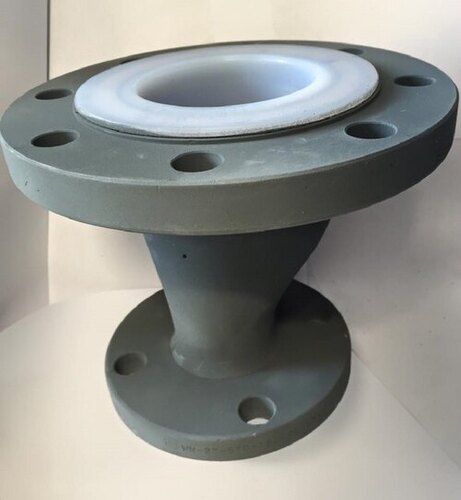
About Lined Concentric Reducer
- Lining : PFA, FEP, PVDF, PP, HDPECasting : D.I. Casting as per ASTM A 395, Gr. 60-40-18
- For Febrication : Sch. 10, Sch. 20, Sch. 30, Sch. 40, Sch. 60, Sch. 80, Sch. 100, Sch. 120, Sch. 140, Sch. 160.
- Flange Rating: Rotating, Fixed On/Off Centers - ASME B 16.5 - Cls.150, Cls. 300, Cls. 600, BS 10 - Table D, Table E, Table F, Table H, Table J & Table K DIN Standard-PN6, PN10, PN16, PN25, PN 40.
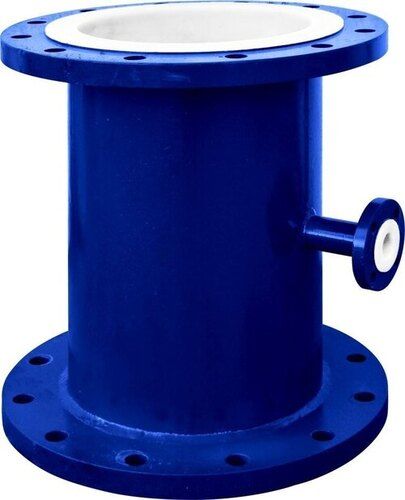
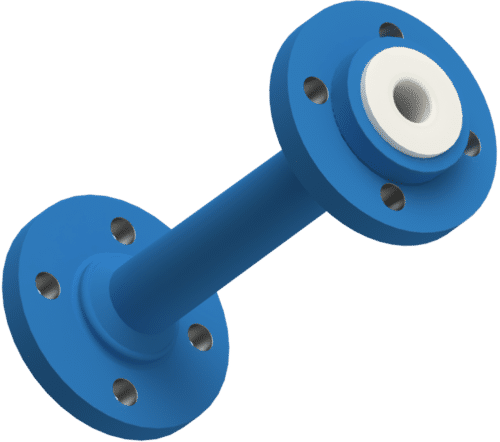
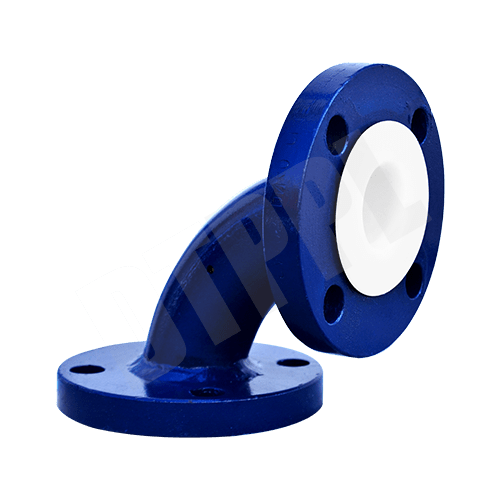
Robust Construction and Advanced LiningOur lined concentric reducers are crafted from high-grade carbon steel or stainless steel, lined with PTFE, FEP, or PFA for excellent chemical resistance. The lining thickness ranges from 3 to 5 mm, protecting against corrosive media. The outer surface is shot blasted and painted, with external color customizable to your project requirements, ensuring both durability and aesthetic compliance.
Wide Range of Industrial ApplicationsDesigned specifically for chemical, pharmaceutical, and petrochemical industries, these reducers adapt seamlessly to pipelines requiring corrosion protection and reliable flow transition between varying diameters. Their design supports working temperatures from -29C to +200C and can withstand pressures up to 16 bar, making them ideal for aggressive and demanding service conditions.
FAQ's of Lined Concentric Reducer:
Q: How is the lined concentric reducer with flanged ends tested for leakage?
A: Each reducer undergoes a 100% hydrostatic leak test as well as a spark test on the lining, ensuring absolute system integrity under specified pressures and operational conditions.
Q: What are the benefits of using PTFE, FEP, or PFA linings in these reducers?
A: PTFE, FEP, and PFA linings provide excellent resistance to corrosive chemicals, extending the service life of the reducer and reducing maintenance costs. These materials also handle a wide temperature range and offer a high degree of non-stick properties, minimizing process contamination.
Q: Where are these reducers commonly used?
A: These reducers are widely implemented in chemical, pharmaceutical, and petrochemical industries where reliable corrosion protection and safe media transfer between pipe sections of different sizes are critical.
Q: What is the standard process for installing a lined concentric reducer with flanged ends?
A: Installation involves aligning the flanged ends with the existing pipeline flanges as per the ASME B16.5, DIN, or JIS standards, using compatible gaskets and bolts. Care should be taken to avoid damaging the lining during installation.
Q: When should a lined concentric reducer be selected over an unlined one?
A: A lined reducer should be chosen when handling aggressive or corrosive media, high purity applications, or where contamination must be minimized. The lining provides a protective barrier, ensuring process integrity.
Q: What customization options are available for these reducers?
A: Customers can specify width, length, and external color according to project requirements. Various sizes from DN25 to DN300 are available, and both standard and custom dimensions can be accommodated based on pipeline design.





 Send Inquiry
 Get Latest Price

